(Street) harassment is not a game. But by playing, you can talk about it. City Confessions discusses sexually transgressive behaviour in the (semi-) public space and provides bystander techniques.
More than half of Belgians have already experienced sexually transgressive behaviour. And according to Plan International reports, 9 in 10 Belgian women and girls face street harassment.
How do we make this enormous problem visible and create a safer society?
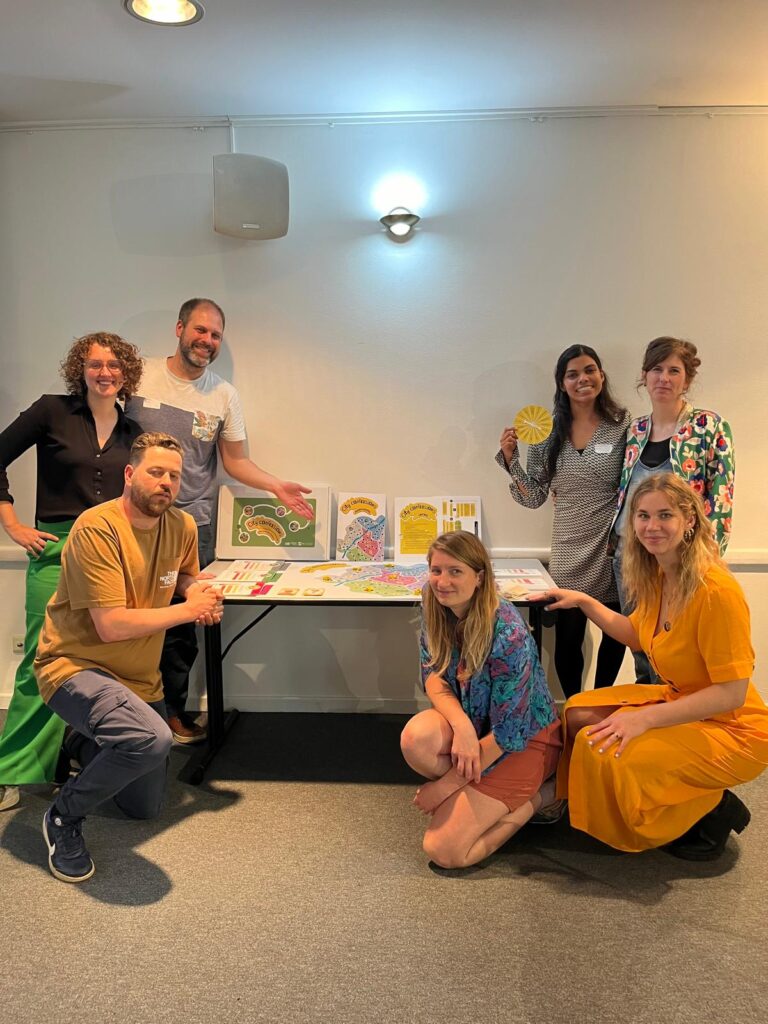
The progressist women’s movement ZIJkant and Research Centre for Gender, Diversity and Intersectionality (RHEA) at the VUB collaborated with a group of young adults to address this issue. Together with game developers from De Aanstokerij, we co-created a board-game to sensitise people about transgression and promote bystander action. This game goes beyond play, to create a platform for sharing perspectives and growing empathy.
City Confessions was pilot tested across the country with diverse groups of young people. Our evaluation showed that 76% of players reported an improvement in motivation and confidence to respond as bystander and 84% of players gained the knowledge to act as responsible bystanders.
With support of equal.brussels, we are pleased to share the final board-game with you.
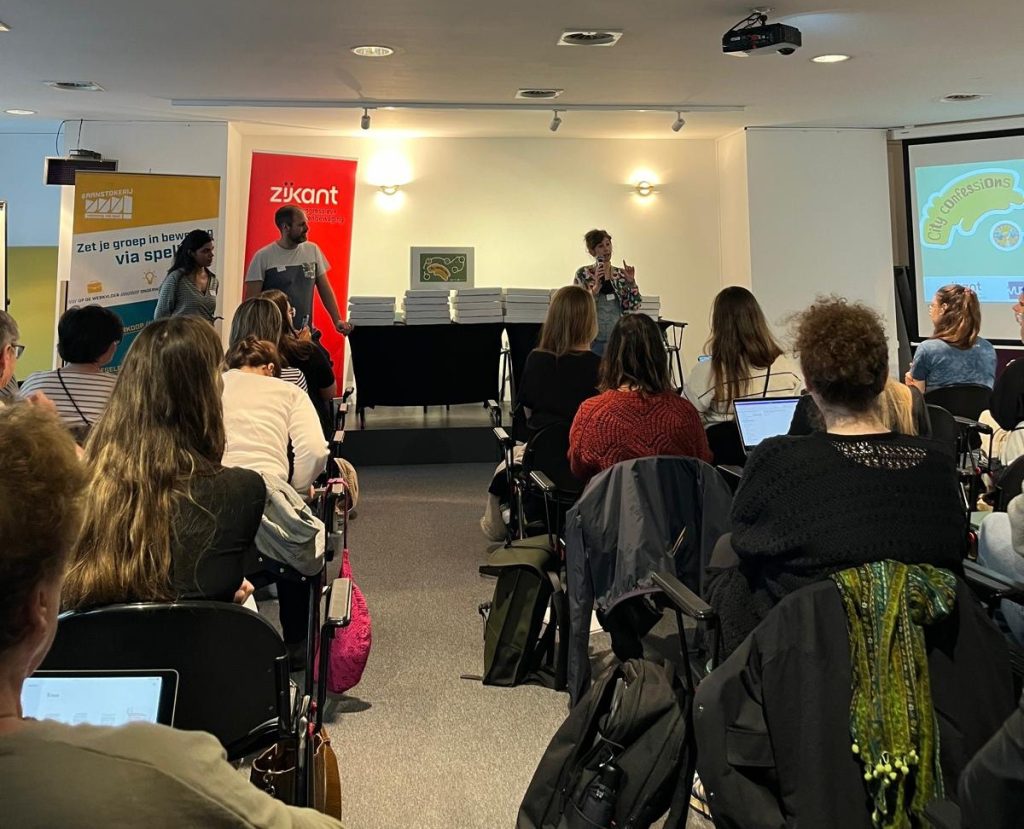
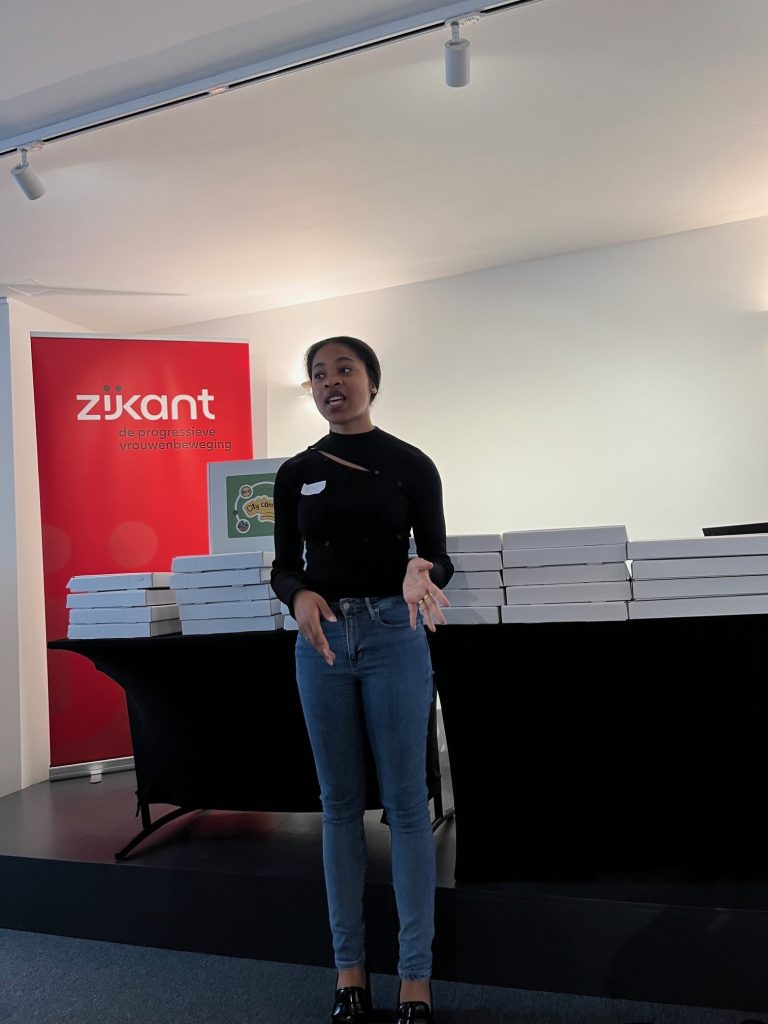
City Confessions was launched on the 15th of May, in the presence of Brussels Secretary of State for Equal Opportunities.
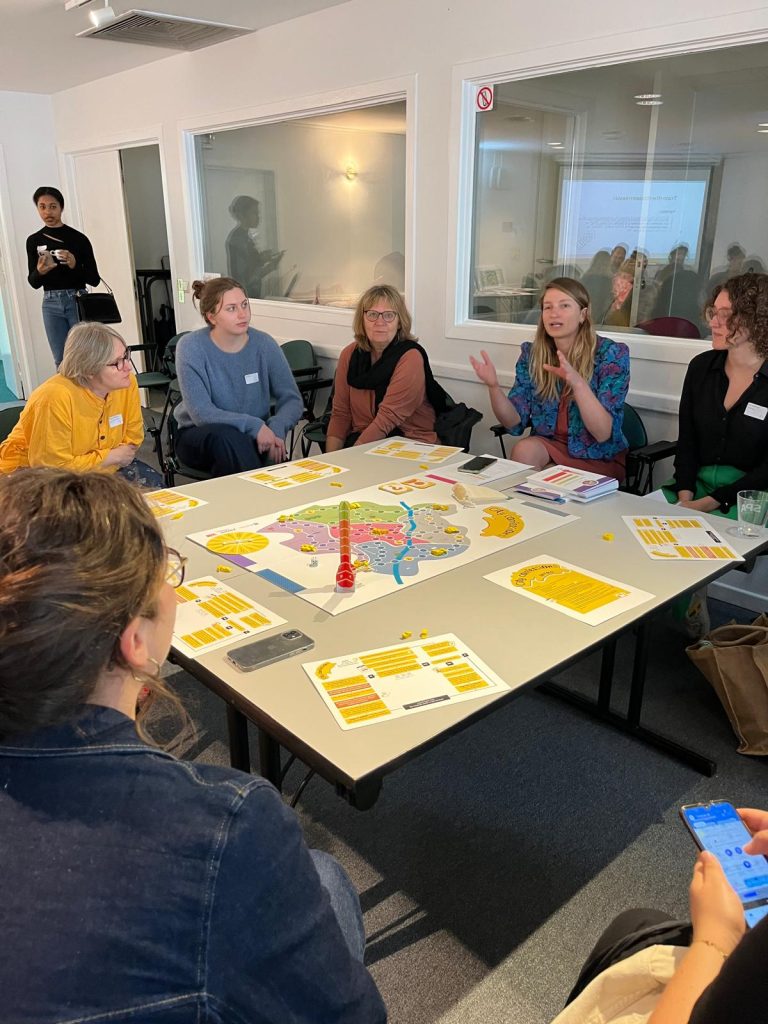
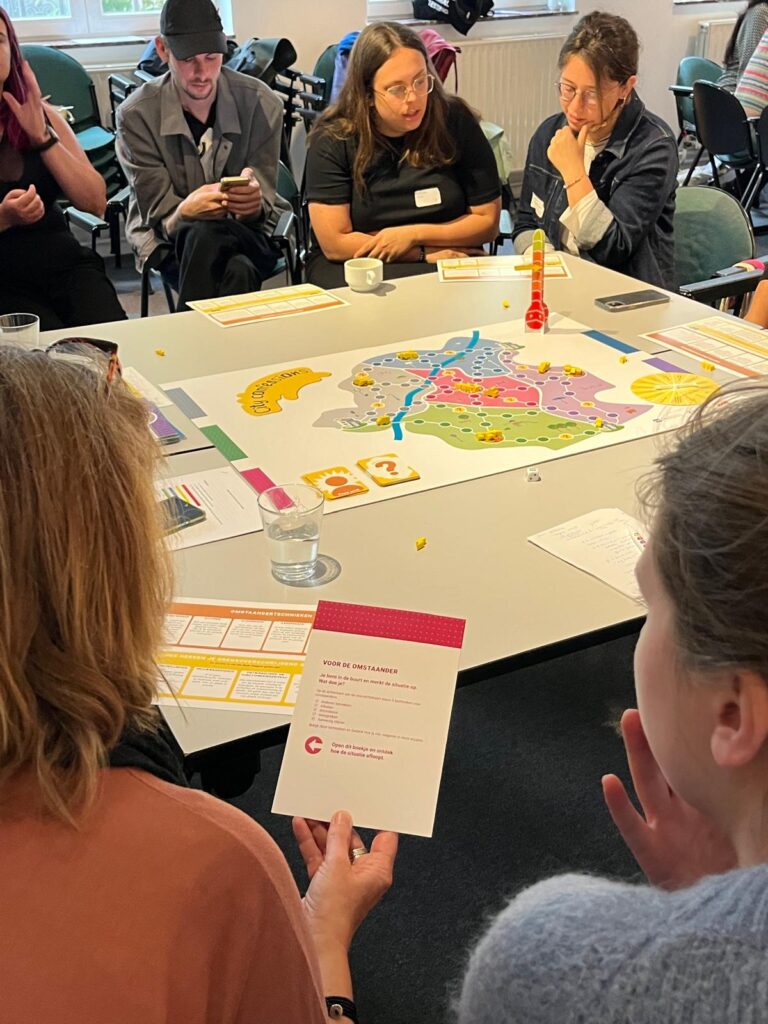
About the game
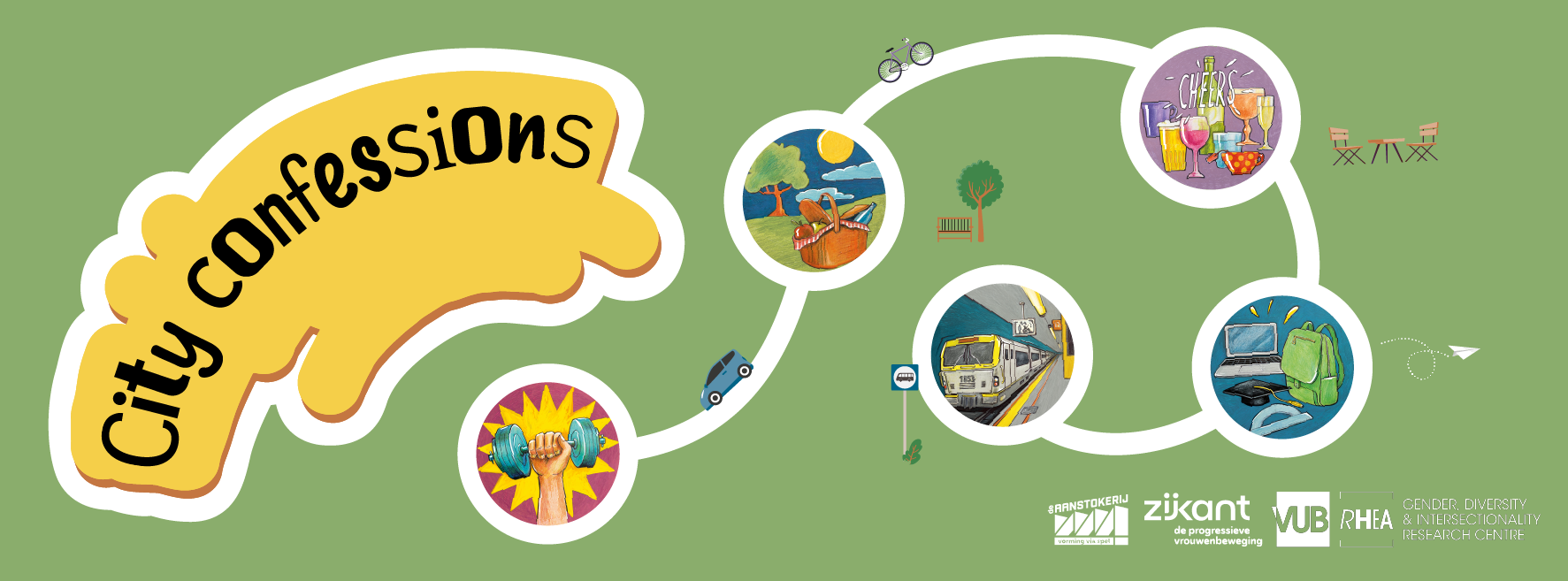
City Confessions takes you on a dynamic journey through the city. In different neighbourhoods (school/work, sports club, nightlife area, park, public transport… ) you experience a range of
situations- some of which are transgressive. Fortunately, you also encounter bystanders, who can support you. Crucial in the game is the community meter, which indicates the solidarity within the community, as well as the safety of the city. And just when you think you have the game figured out, chance adds a twist!
Bystanders
One of the more effective ways to work on sexual harassment prevention is to engage with bystanders. On the one hand, these bystanders have an impact on the situation itself. They can end the situation, prevent escalation and offer support to the person being harassed. On the other hand, they also influence social norms.
The advantage of addressing the players as bystanders is that no one is categorised as a possible perpetrator of transgressive behaviour. We are all bystanders at some point. The approach is neutral, more inclusive and therefore more accessible.
ZIJkant has been collaborating with the non-profit organisations ZIJN and Sensoa in delivering bystander trainings for several years. It is from this background that we have integrated the five bystander techniques into the game: the 5 Ds: delegate, distract, divide, direct and delay.
The game explains these techniques and gives players concrete examples of how to intervene. They are also given the opportunity to work with the techniques themselves.
Intersectional aspect
City Confessions goes beyond playing; it is about learning from each other. To avoid stigmatisation, identity traits such as gender or origin are not filled in. This encourages players to speak from their own experience and share perspectives. However, the game does make it clear that while anyone can be a victim of violence, some groups are more vulnerable.
Community spirit
Crucial to the game is the community meter, which indicates the solidarity of the players and determines the severity of the situations. The game can be won individually or collectively. Yet the group benefits from helping each other, otherwise game-over is imminent.
Technical information
| Theme | Sexual transgressive behaviour: non-partner violence and street harassment |
| Aim of the game | -Players recognise transgressive behaviour. -Players learn how to use bystander techniques in transgressive situations. -Players are encouraged to change their behaviour towards transgressive situations. |
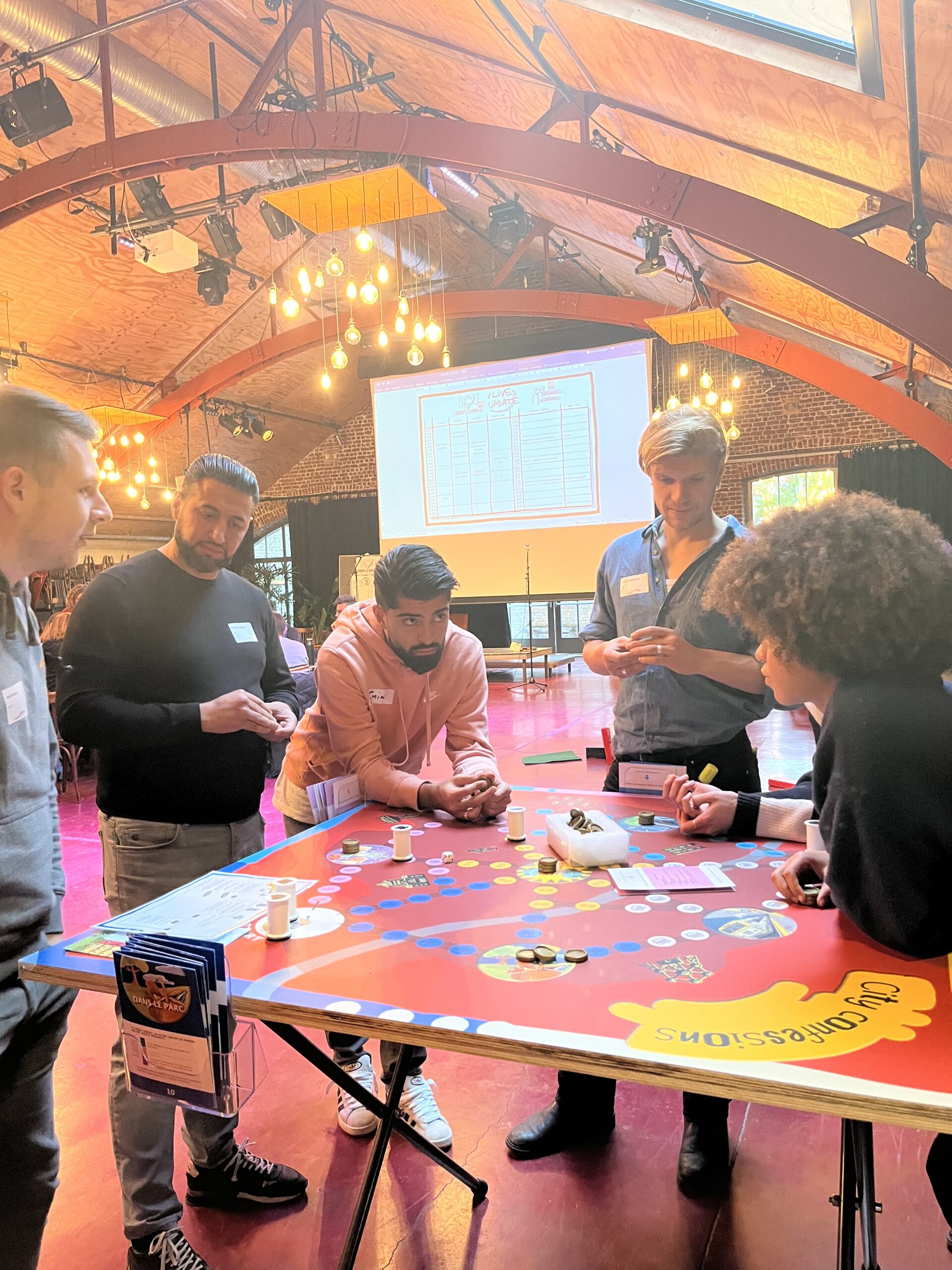
| Description of the game | Players take turns moving through the city on the game board. At each turn, a player encounters a situation that can be transgressive. It is up to the players to decide whether a situation is cross-border and, if so, whether anyone wants to intervene. The other players get the chance to intervene as bystanders, but to do so they have to invest energy. If a bystander decides to intervene, possible bystander techniques are discussed. The game can be won individually by the player with the highest number of energy points, but throughout the game the ‘community feeling’ in the city is also monitored by a community meter. If the city becomes too unsafe, players lose the game as a group. If they make the city very safe, they can also win the game as a group. It’s up to the players to decide which direction the game goes! |
| Target audience | 16+ |
| Number of players | Minimum 6 – maximum 12 players |
| Facilitation | The game can be played independently. An introductory text and an overview card guide players through the game. It is also possible to book a facilitator who will accompany the game with your group. Contact us. |
| Accomodation | A spacious table and a chair for each player. |
| Duration of the game | 100 – 120 minutes |
How to play the game?
- External supervision (for a fee):
Would you like to play in a group? Facilitators from ZIJkant or De Aanstokerij will come on site and steer the game in the right direction. They will also make sure that the space is as safe as possible and that sensitive subjects are dealt with appropriately.
Prices (excluding travel expenses) per target group:
- Youth sector (young people and volunteers): 95 euros per coach
- Youth sector professionals: 280 euros per coach
- Secondary school pupils: 180 euros per coach
- Teaching staff: 440 euros per coach
- Higher education students and adults in their free time: 150 euros per coach
- Other professionals or working adults: 400 euros per coach
2. In-house supervision (after paid training):
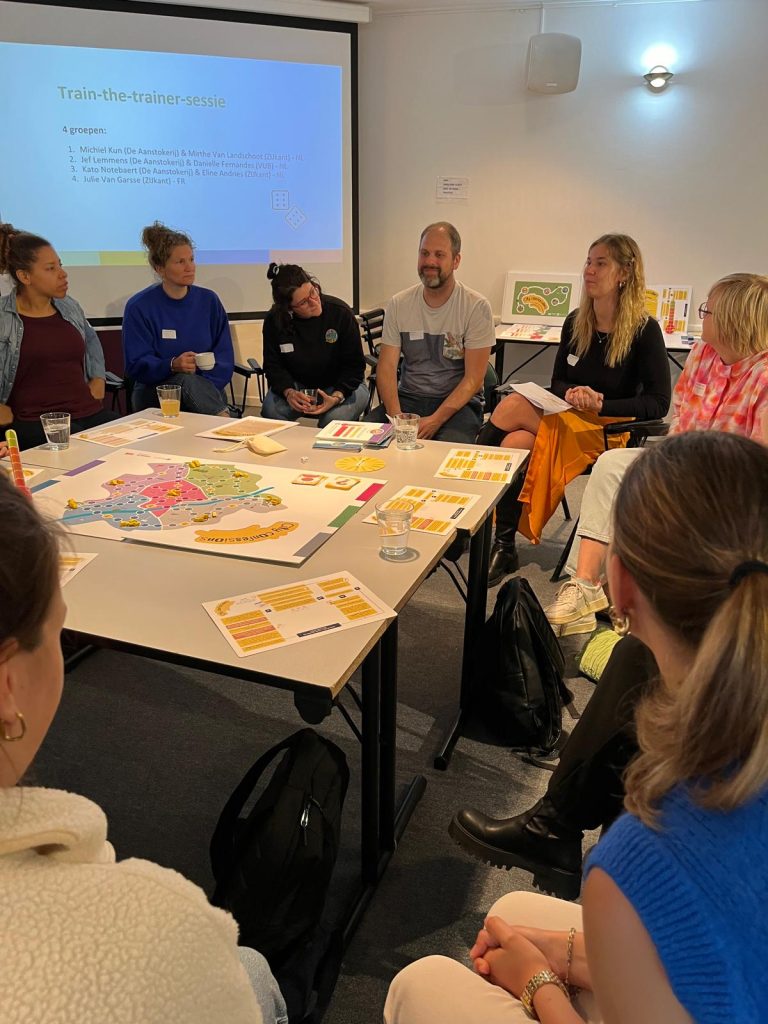
Would you like to supervise a play session yourself, but need extra support? During a train-the-trainer session given by ZIJkant and De Aanstokerij, you will receive advice and tips on how to get started with the game, taking into account all sensitivities. Contact rafke.pijls@zijkant.be for more information.
3. Without supervision:
Want to play without facilitation? That’s also possible. Just buy the game for €50 and follow the instructions on the flowchart and in the manual. Don’t forget that the game deals with sensitive subjects. For young people, we recommend opting for professional guidance.
More info about the game or looking for a facilitator to facilitate a game session within your organisation? Contact us.
What preceded: young women want to feel safe in public space
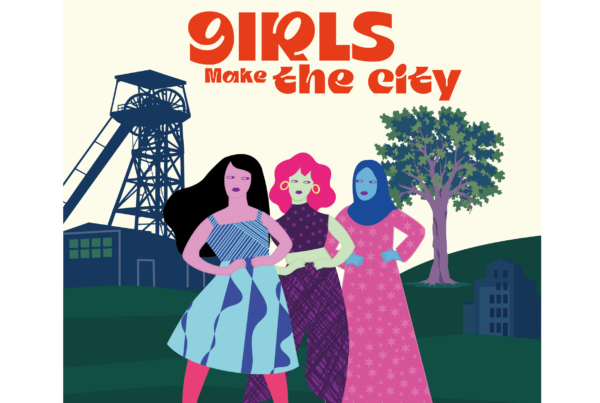
“We need to educate the boys.” The young women who participated in Girls Make The City last year agreed: street harassment is a big problem and the main reason for them to meet inside. The street does not feel safe. Girls Make The City, an initiative of ZIJkant and Wetopia, put young women from Brussels city centre to the front in 2022. During several co-creation workshops, they thought about how to make the city more pleasant and free for girls and women.
These workshops showed that extra light, women’s toilets and benches are welcome, but do not solve the problem. You also have to dare to sit on the benches. An awareness campaign is urgently needed, the young women said. The starting shot was fired in May, when, together with JES vzw, they put together a micro-aggression workshop that was given to all final-year students of Sint-Jan Berchmanscollege. Mid-September the Wall of Truth was inaugurated, a mural of some 30 square metres on which girls and women share their experiences of street harassment and call for more respect.
Episode from the podcast series ‘Girls Make The City’, created by Elena Dikomitis.
The co-creation process: Communities against violence
To take the campaign to the next level, this year ZIJkant partnered with the VUB’s Gender, Diversity and Intersectionality research group (RHEA) for Communities Against Violence. This project aims to raise awareness about street harassment through a game for young adults (16-36 years old).
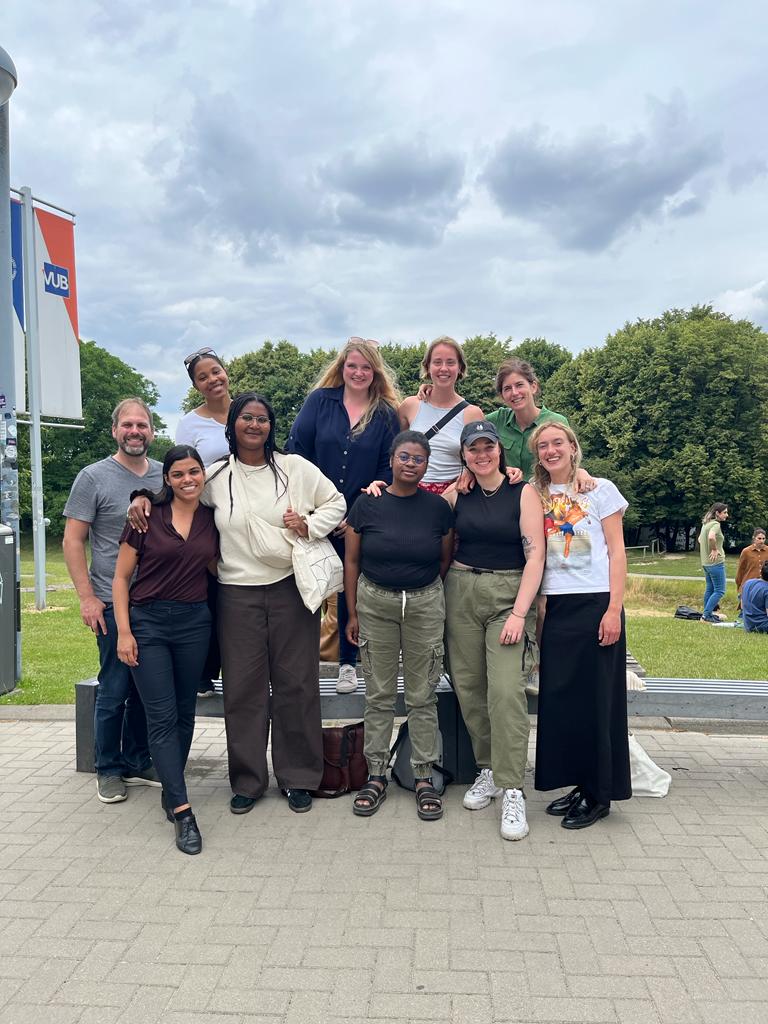
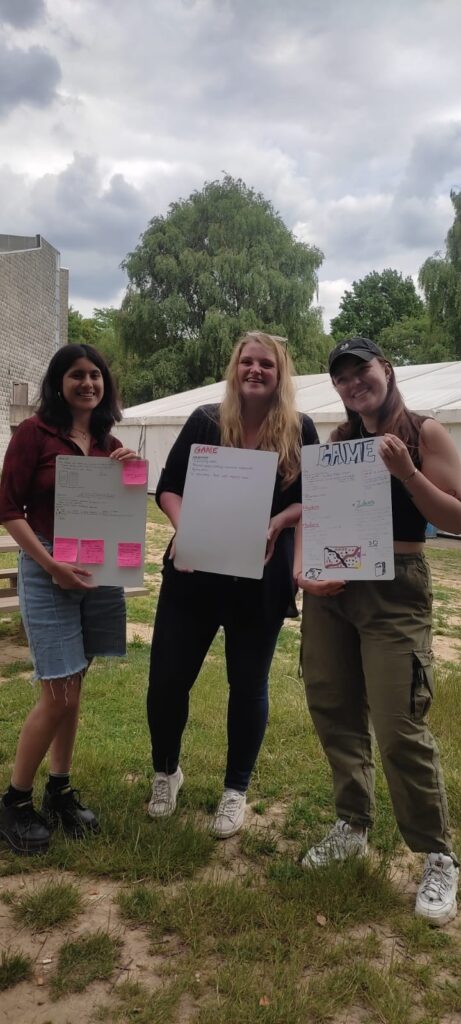
Funds come from the European Impetus Citizen Science fund, and citizen science is therefore used to generate impact. In this project, citizen scientists are a group of young adults – our project ambassadors – who developed a game together with ZIJkant and VUB and under the guidance of game developer De Aanstokerij during the summer months. Their main aim is to make players reflect on (the impact of) sexually transgressive behaviour, learn to recognise this behaviour better and provide tools to intervene as a bystander.
Our project ambassadors:
- Rita Rossana Afonso
- Nene Cisse
- Daniela Michelle García Melgar
- Cato Mortier
- Marián Palacios Fernández
- Anniek Schalij
- Ellis Van Miert
- Marie-Stéphanie Verheyen
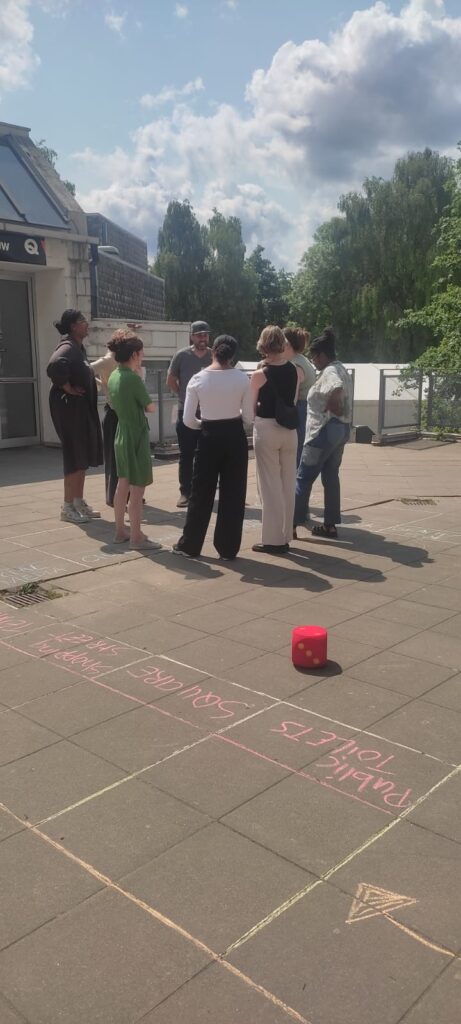
The result: an interactive and educational board game
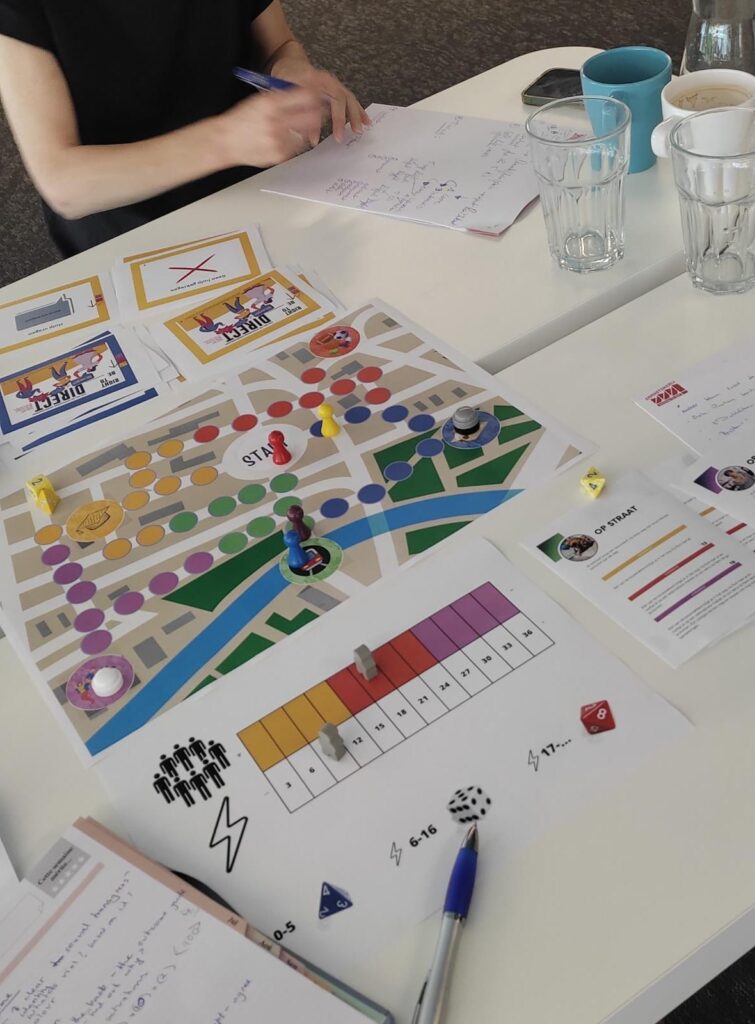
The set-up is taken from life: the board game represents a map of the city. Six players make their way to the campus, work, a party, the park, the sports club, etc. There they can win energy points. Along the way, however, they encounter different situations. Some seem harmless, others are more or less transgressive. Each time, the group is asked whether they assess this situation as problematic, and why. Other players – the bystanders – can choose to help, using the 5 D’s (delegate – distract – divide – direct – delay). However, helping costs energy, and to win, you need to collect as many energy points as possible.
Crucial to the game is a ‘community meter‘ that indicates the general atmosphere in the city, and determines how serious situations are. In a safe and respectful society, the meter will be in green; in a dangerous environment, the meter reading turns red. It is the players who determine which way the meter goes, although not every situation can be predicted: even in real life, we cannot control everything. If the meter goes completely into the red, it is game over.
The game has already been perfected during three rounds of testing during which several groups of critical players (youth workers from Bosco Base, VUB students and JES staff members) evaluated both the content and the game techniques.
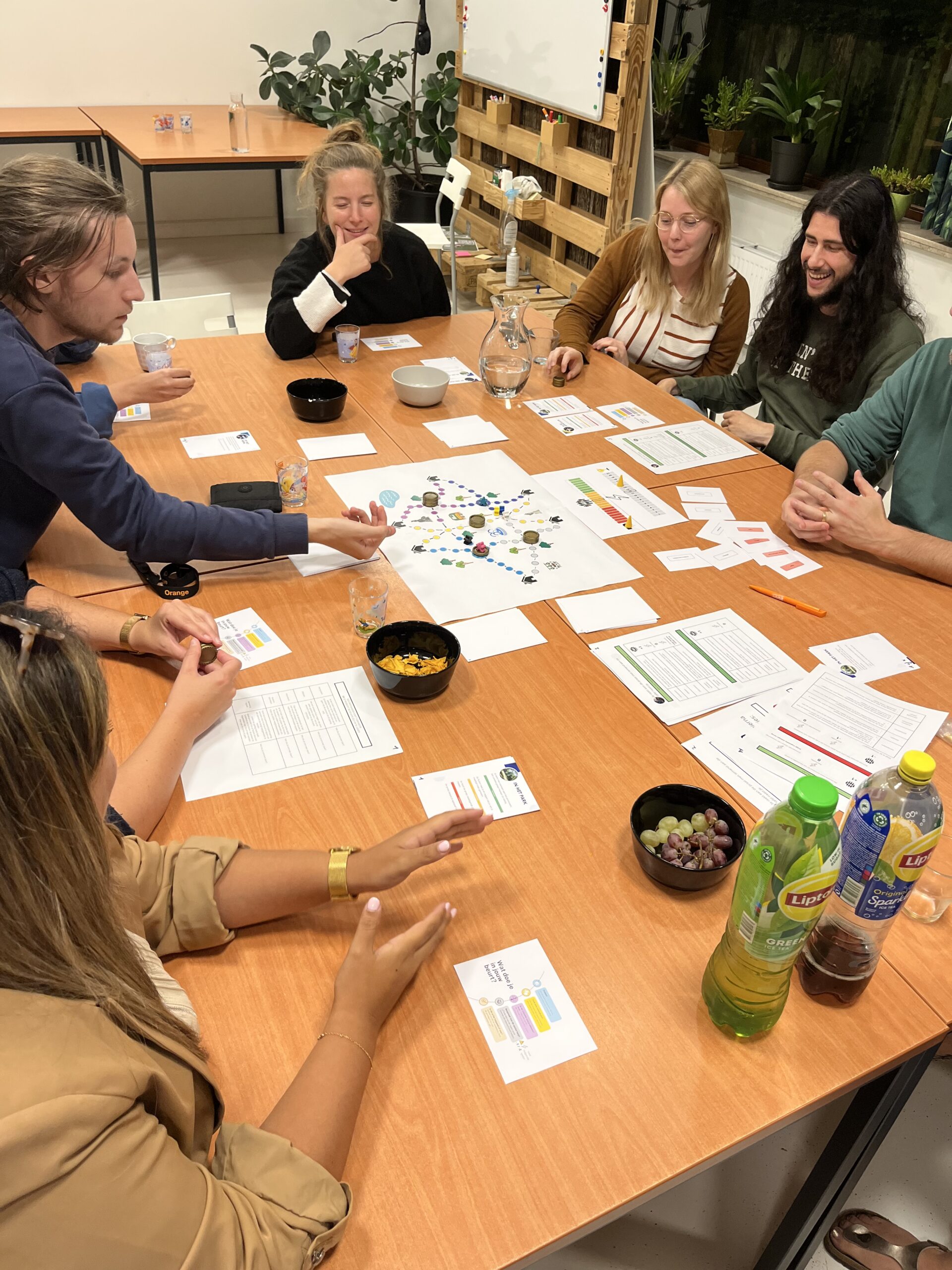
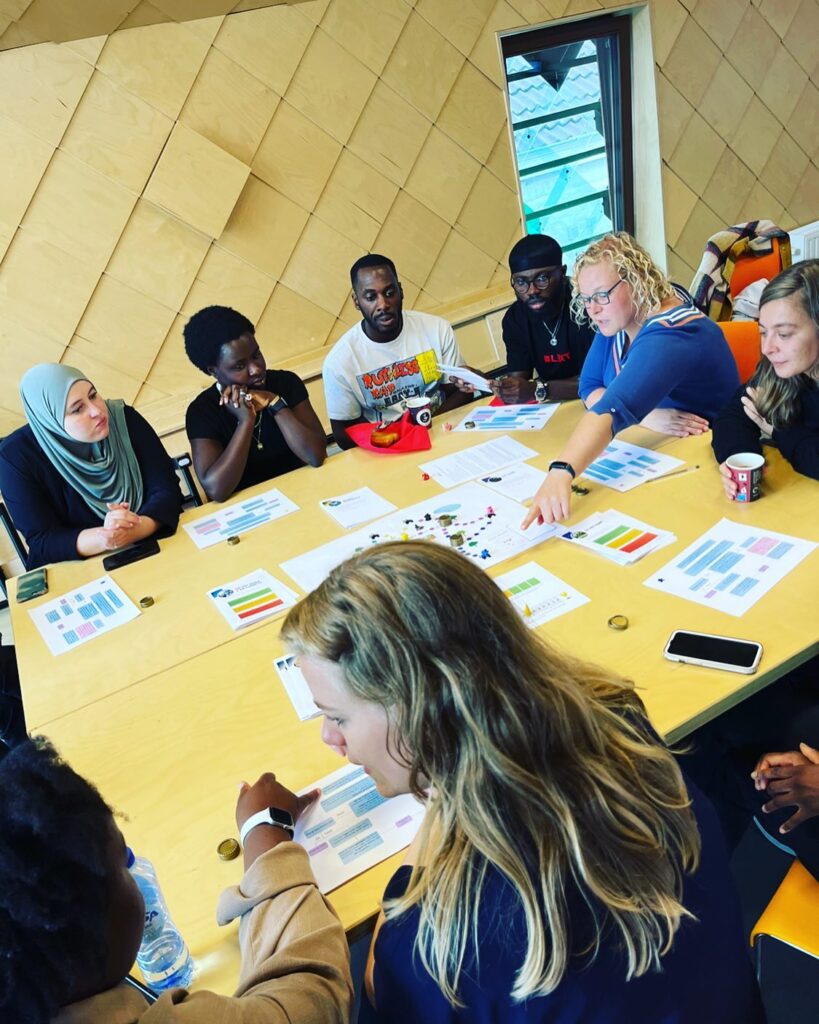
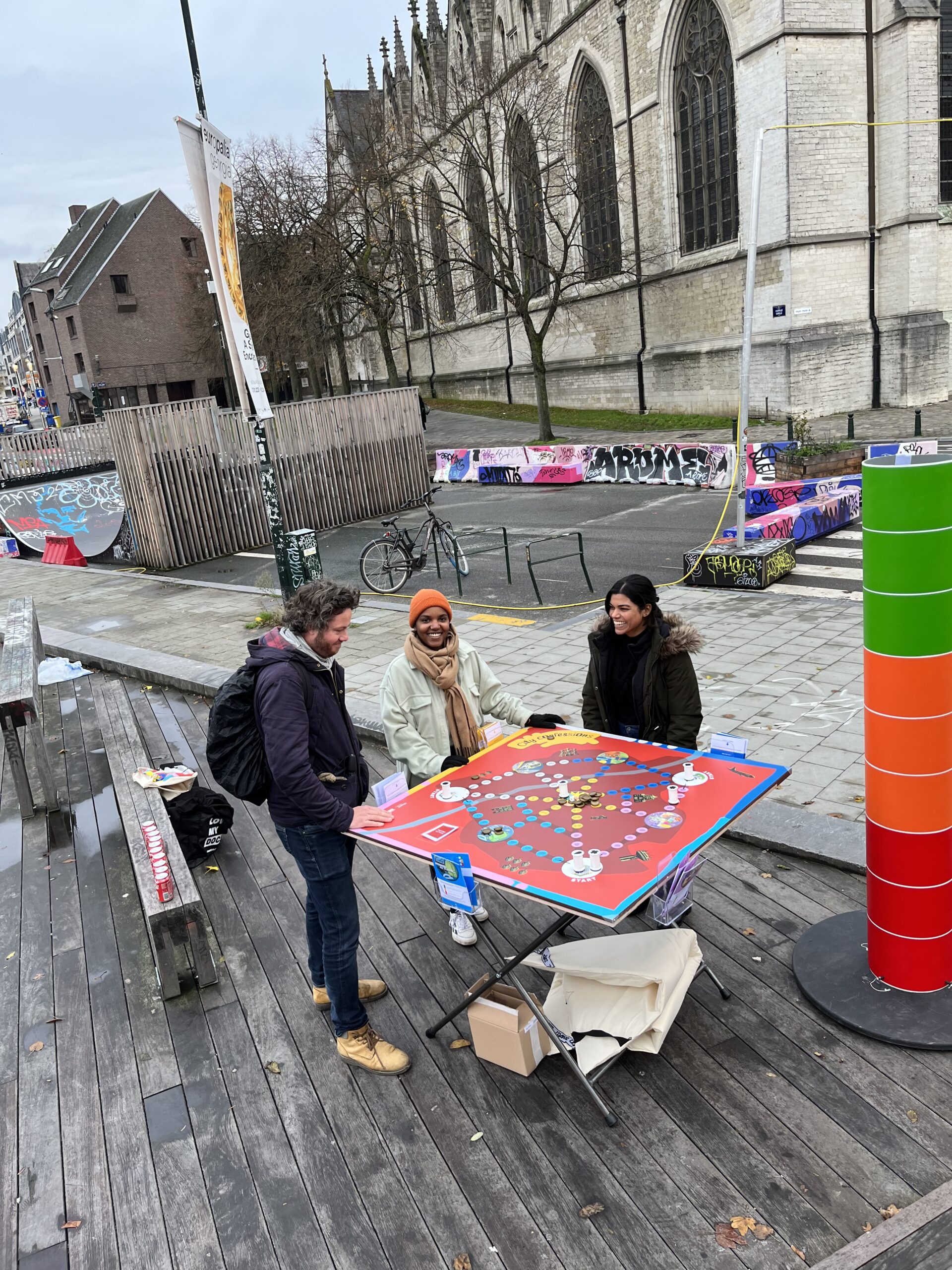
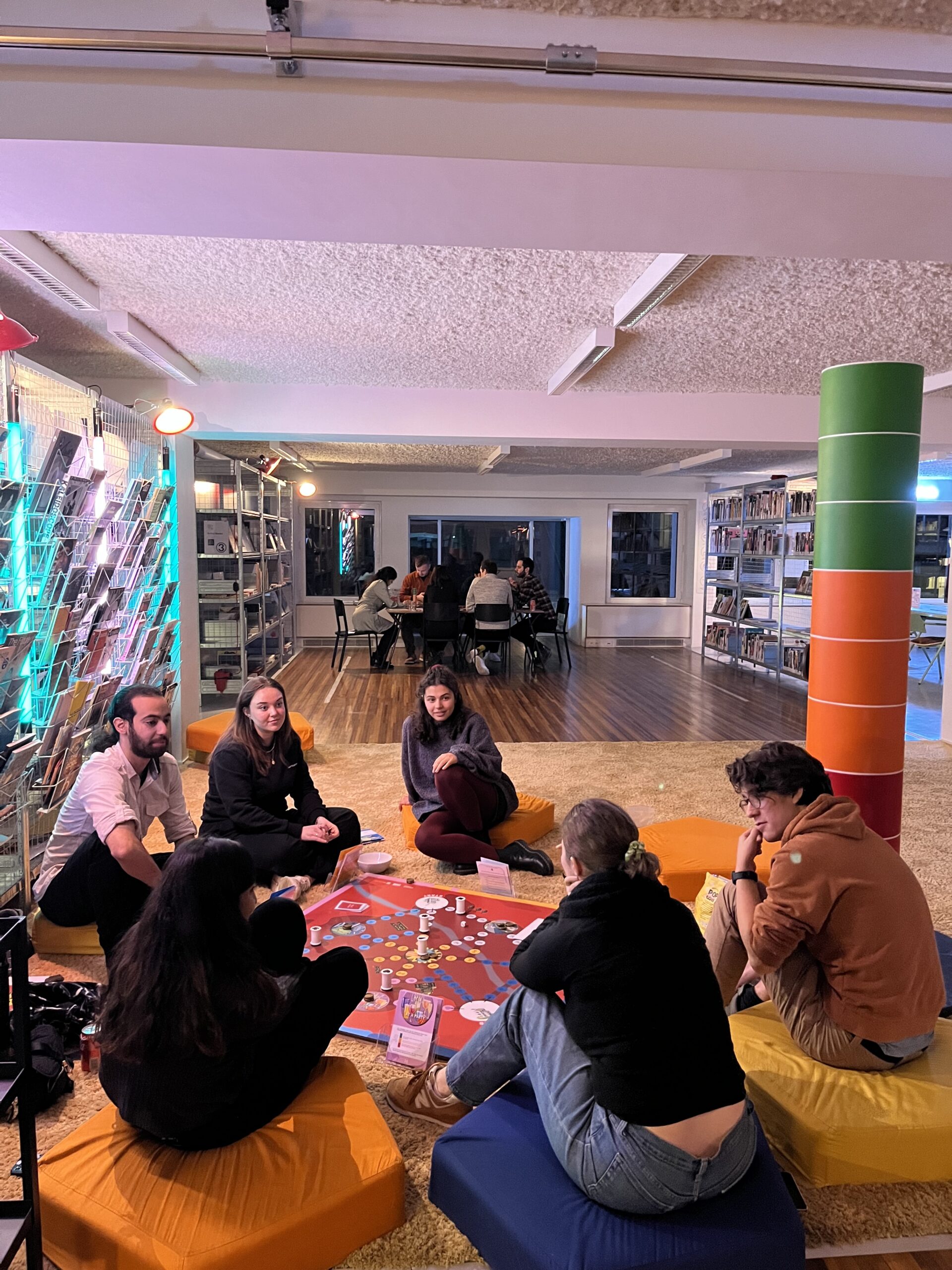
In November and December, ZIJkant and the VUB will travel around with the first (trilingual) pilot versions of the game. In colleges, on campuses, events and public places, they will organise game booths and game nights, reaching as diverse an audience as possible.
After the game, the impact among players is measured through an evaluation.
With support from equal.brussels